Tag: CSEA

  • Collective Bargaining Basics: How Union Negotiated Impact Your Future

    Collective Bargaining Basics: How Union Negotiated Impact Your Future

    For school union employees, annual raises aren’t random — they are negotiated, structured, and legally protected. Unlike many private-sector jobs where pay increases are discretionary, union negotiated raises are built into collective bargaining agreements and salary schedules. But what do those raises really mean for your long-term financial future?

    This guide breaks down how union negotiated raises work, how they impact your lifetime earnings, and why they play a critical role in financial stability for public school employees.

    What Are Union Negotiated Raises?

    Union negotiated raises are salary increases secured through collective bargaining between employee unions and school districts. These raises are outlined in your district’s contract and typically fall into three categories:

    • Cost of Living Adjustments (COLA)
    • Step increases
    • Column (education) increases

    Organizations like the National Education Association and the American Federation of Teachers advocate at state and national levels, while local bargaining units negotiate specific district contracts.

    Unlike merit-based systems, these increases are transparent and predictable — which makes financial planning much easier.

    Types of Raises School Union Employees Receive

    Understanding the types of raises in your contract helps you see the full financial picture.

    1. Step Increases: Predictable Career Growth

    Most school districts use a step-and-column salary schedule. Each year of service typically moves you “one step” forward, increasing your pay automatically.

    Why Step Increases Matter

    • They reward experience.
    • They provide guaranteed annual growth (if funded in the contract).
    • They compound over time.

    For example, a $2,000 annual step increase doesn’t just affect one year — it increases every future paycheck moving forward. Over a 20–30 year career, that compounding effect can add tens of thousands (or more) to your total earnings.

    This predictability is one of the strongest financial advantages of unionized public employment.

    2. Cost of Living Adjustments (COLA)

    COLA raises are negotiated to help employees keep up with inflation. When inflation rises, unions negotiate increases to maintain purchasing power.

    Without COLA, inflation quietly reduces your real income. A 3% raise during a 3% inflation year maintains your financial position rather than growing it — but it protects you from falling behind.

    In states like California, COLA adjustments often align with state education funding formulas, which unions advocate to protect during negotiations.

    3. Column Movement: Investing in Education Pays Off

    Column increases occur when employees complete additional education — such as graduate credits, certifications, or advanced degrees.

    For certificated employees, moving from a Bachelor’s degree column to a Master’s degree column can significantly increase base salary. Over decades, that difference multiplies dramatically.

    This structure encourages:

    • Professional growth
    • Continuing education
    • Long-term career investment

    And importantly, these increases are permanent additions to your salary base.

    The Long-Term Financial Impact

    Compound Growth Over Time

    Even a 3–5% raise may not seem dramatic in a single year. But compounded over a full career, negotiated raises can add hundreds of thousands of dollars in total earnings.

    For example:

    • A 3% annual increase on a $60,000 salary adds $1,800 the first year.
    • But over 20 years, that consistent increase builds significantly larger cumulative income.

    This affects:

    • Your retirement contributions
    • Your pension calculations
    • Your Social Security earnings record
    • Your overall lifetime wealth

    Raises and Retirement Benefits

    For many school employees, retirement systems like California State Teachers’ Retirement System and California Public Employees’ Retirement System calculate pensions based on final compensation or highest earning years.

    Higher negotiated raises mean:

    • A larger “final compensation” number
    • Higher monthly pension payments
    • Greater financial stability after retirement

    Even small increases toward the end of your career can significantly impact your lifetime retirement income.

    The Power of Collective Bargaining

    Raises secured through collective bargaining represent more than just salary increases — they reflect collective advocacy.

    Through negotiation:

    • Salary schedules are adjusted.
    • Salary compression issues are addressed.
    • Equity between job classifications can be corrected.
    • Long-term financial fairness is pursued.

    Without organized representation, wage increases may depend entirely on district budget discretion, which can lead to inconsistent compensation growth.


    Inflation and Why Negotiated Raises Matter More Than Ever

    In recent years, inflation has affected housing, groceries, and healthcare costs nationwide. Without negotiated increases, employees effectively take a pay cut in real terms.

    Union advocacy ensures districts consider:

    • State funding increases
    • Budget surpluses
    • Enrollment changes
    • Cost-of-living data

    This protection helps employees maintain financial stability even during economic uncertainty.


    What You Can Do as a Union Member

    To maximize the financial benefits of negotiated raises:

    1. Understand your salary schedule. Know your step and column placement.
    2. Track your eligibility for movement. Don’t miss professional growth deadlines.
    3. Attend union meetings. Stay informed about negotiations.
    4. Review contract updates. Raises may include retroactive adjustments.
    5. Plan long-term. Factor guaranteed increases into retirement planning.

    Being informed allows you to fully benefit from what your union negotiates.


    Final Thoughts: Raises That Build a Future

    Union negotiated raises are not just yearly adjustments — they are building blocks for your financial future.

    Over time, structured increases:

    • Grow your total lifetime earnings
    • Strengthen your pension
    • Protect your purchasing power
    • Provide income predictability
    • Support long-term financial planning

    For school district employees, collective bargaining creates more than better working conditions — it creates financial security. Understanding how your negotiated raises work empowers you to make smarter decisions today that benefit you for decades to come.

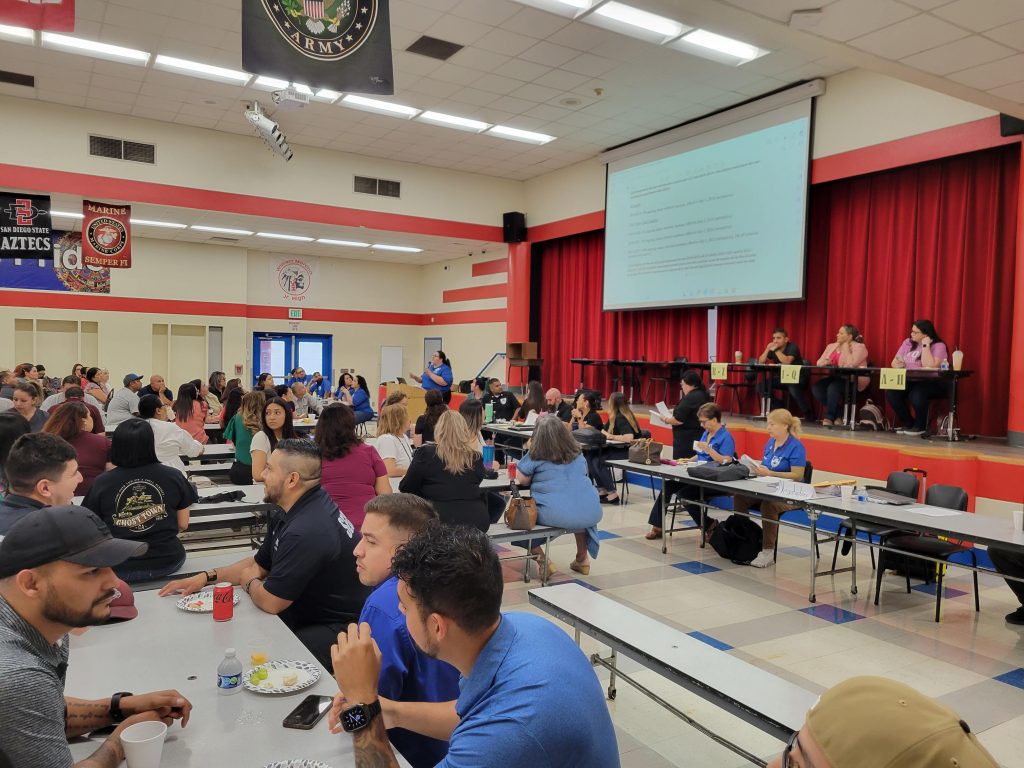
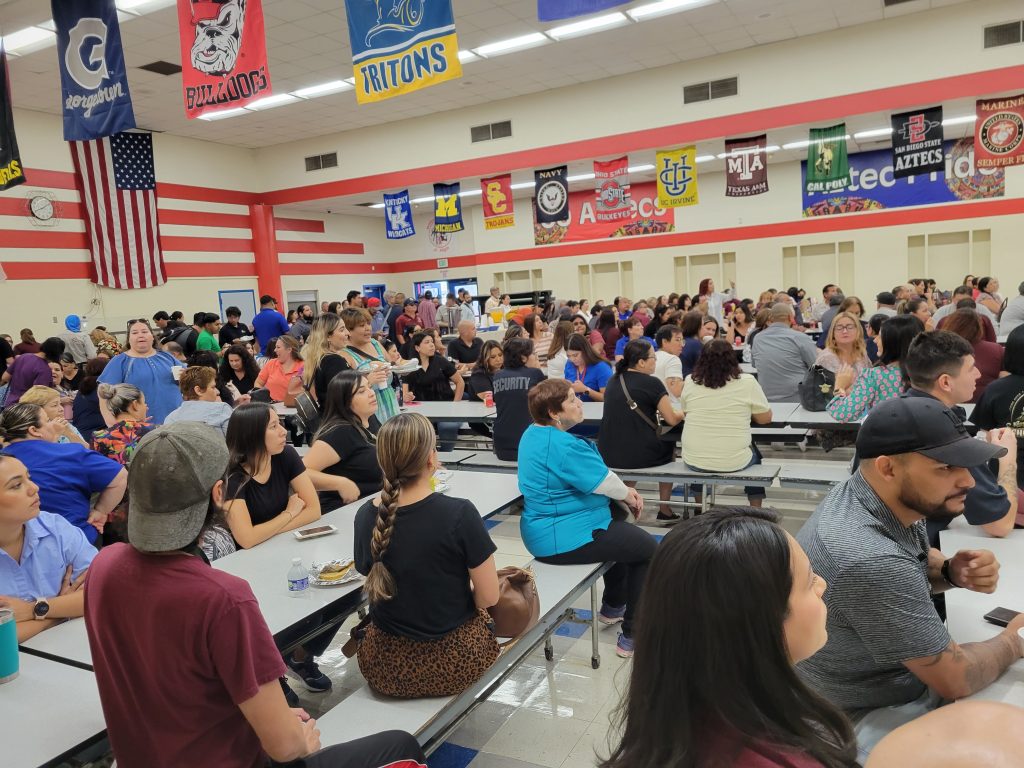
  • CSEA 399 Chapter Meetings: 2026

    CSEA 399 Chapter Meetings: 2026

    April 16, 2026


    CHAPTER 399 MEETING

    School Year 2025-2026

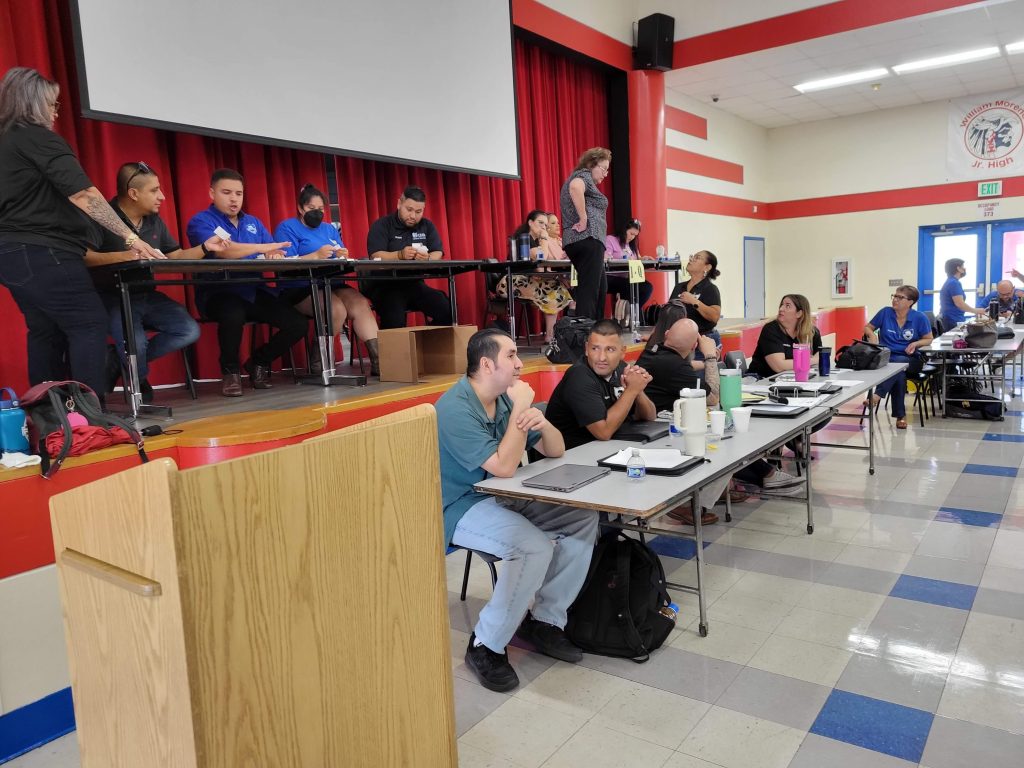
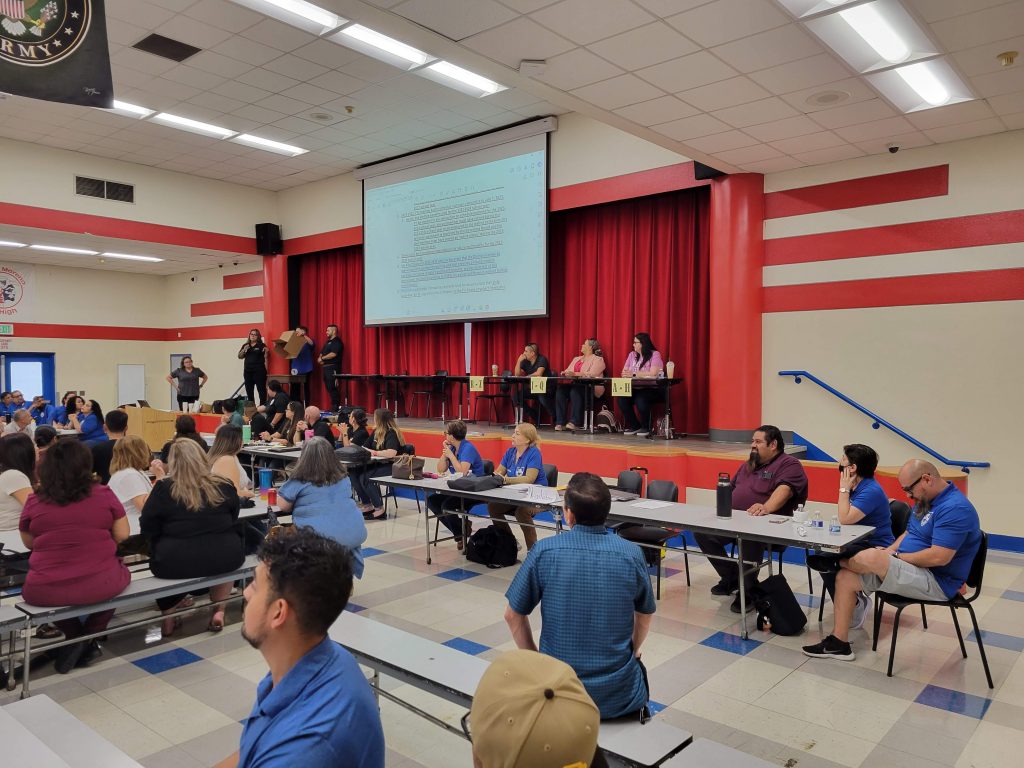
    Your Negotiations Committee would like to invite you to attend an important Ratification Meeting on Thursday; April 16, 2026 at 5:30pm at the William Moreno Jr. High School Auditorium.

    Your attendance is very important as your vote will directly impact our membership.  We strongly encourage all members to participate and make your voices heard.

    Thank You for your continued commitment and involvement.

    Meeting Agenda


    1. CALL TO ORDER: Roll call
    2. PLEDGE OF ALLEGIANCE
    3. NEW BUSINESS:
      • 3.1 Tentative Agreement July 1, 2025 – June 30, 2028 Discussion: 5:30pm
      • 9.2 Voting for Tentative Agreement July 1, 2025 – June 30, 2028 Voting 5:45pm – 6:15pm
    4. GOOD OF THE ORDER
    5. ADJOURNMENT

    CSEA 399 Meeting Location


    Date: Wednesday, April 216, 2026

    Time: 5:30 pm

    Location: William Moreno Jr. High School (Auditorium)

    Address: 1202 Kloke Rd, Calexico, CA 92231

    CSEA 399 Meeting Files


    march 25, 2026


    CHAPTER 399 MEETING

    School Year 2025-2026

    Here is the agenda for our Chapter meeting that will be held on Wednesday, February 25th @ CHS 9th grade campus (cafeteria) at 5:30pm.  We hope to see you all there

    Meeting Agenda


    1. CALL TO ORDER: Roll call
    2. PLEDGE OF ALLEGIANCE
    3. READING OF MINUTES: February 25, 2026
    4. COMMUNICATIONS: Possible school closures
    5. HEALTH AND WELFARE REPORTS:
    6. PRESIDENT/EXECUTIVE BOARD REPORTS:
    7. TREASURER’S REPORT:
      • 7.1 Report for the month of February 2026
    8. COMMITTEE REPORTS:
    9. NEW BUSINESS:
      • 9.1 Discussion of MOU between CUSD and CSEA and its Calexico Chapter #399 Summer Work 2026 VOTING for MOU – Summer Work: 6:05pm – 6:20pm
      • 9.2 Discussion of MOU between CUSD and CSEA and its Calexico Chapter #399 Permanent Change of Work Schedule – Library Media Tech I VOTING for MOU-Change of Work Schedule: 6:05pm – 6:20pm
      • 9.3 Nominations to attend CSEA Annual Conference July 26-30, 2026 PER Article XII ARTICLE DELEGATES TO CONFERENCE; Section 2. Election: Nominations for the authorized delegate positions, other than President, shall be taken at the regular Chapter meeting in March, and election shall be by secret ballot at the regular Chapter meeting in April.
    10. OLD BUSINESS
      • 10.a Voting to Amend Chapter 399 Constitution Article XII DELEGATES TO CONFERENCE: Add section between Section 1. Delegates: and Section 2. Election. Section becomes Section 3. ADD: Section 2. Eligibility: Conference Delegates shall be elected from among the Active members of the Chapter who are in good standing and who have attended at least four (4)Chapter meetings during the twelve (12) calendar months immediately preceding the month in which they are nominated. Members Present _________ Members in Agreement__________ Members Opposed__________
      • 10.b Voting to Amend Chapter 399 Constitution Article IV OFFICERS & EXECUTIVE BOARD/ELECTION PROCEDURES; Section 3. Eligibility: Officers shall be elected from among the Active members of the Chapter who are in good standing ADD: and who have attended at least four (4) Chapter meetings during the twelve (12) month calendar months immediately preceding the month in which they are nominated. Members Present _________ Members in Agreement__________ Members Opposed__________
      • 10c. Voting to Amend Chapter 399 Constitution Article IV. Section 2 Executive Board: The elected officers designated in Section 1, ADD: plus the immediate Past President whose role would be in an advisory capacity. shall constitute the Executive Board of this Chapter. Members Present _________ Members in Agreement__________ Members Opposed__________
      • 10d. Voting to Amend Chapter 399 Constitution Article VIII. Section 12(a). Scholarship Committee: The Scholarship Committee shall be appointed by the Executive Board in the even-numbered years and shall serve two (2) year terms. Committee REMOVE: members shall be parents of high school graduating seniors at the time of appointment. ADD: shall consist of no fewer than three (3) members. Any Committee member who is a parent or guardian of a scholarship applicant, shall disclose any relationship with the applicant and recuse him/herself from the review, discussion and voting on the application of that applicant Members Present _________ Members in Agreement__________ Members Opposed__________
    11. GOOD OF THE ORDER
    12. ADJOURNMENT

    CSEA 399 Meeting Location


    Date: Wednesday, March 25, 2026

    Time: 5:30 pm

    Location: CHS 9th Grade Campus (cafeteria)

    Address: 824 Blair Ave, Calexico, CA 92231

    CSEA 399 Meeting Files


    February 25, 2026


    CHAPTER 399 MEETING

    School Year 2025-2026

    Here is the agenda for our Chapter meeting that will be held on Wednesday, February 25th @ CHS 9th grade campus (cafeteria) at 5:30pm.  We hope to see you all there

    Meeting Agenda


    1. CALL TO ORDER
    2. PLEDGE OF ALLEGIANCE
    3. READING OF MINUTES: January 28, 2026
    4. COMMUNICATIONS:
      • 4.1 Board approved classified layoffs
    5. HEALTH AND WELFARE REPORTS:
    6. PRESIDENT/EXECUTIVE BOARD REPORTS:
    7. TREASURER’S REPORT:
      • 7.1 Report for the month of January 2026
    8. COMMITTEE REPORTS:
      • 8.1 Negotiations Committee
      • 8.2 Professional Growth
    9. OLD BUSINESS:
    10. NEW BUSINESS:
      • 10.1 Seniority List
      • 10.2 MOU: Instructional Aides change of work schedule
      • Voting will be from 6:05pm – 6:20pm
    11. GOOD OF THE ORDER
    12. ADJOURNMENT

    CSEA 399 Meeting Location


    Date: Wednesday, February 25, 2026

    Time: 5:30 pm

    Location: CHS 9th Grade Campus (cafeteria)

    Address: 824 Blair Ave, Calexico, CA 92231

    CSEA 399 Meeting Files


    Chapter Meeting Results


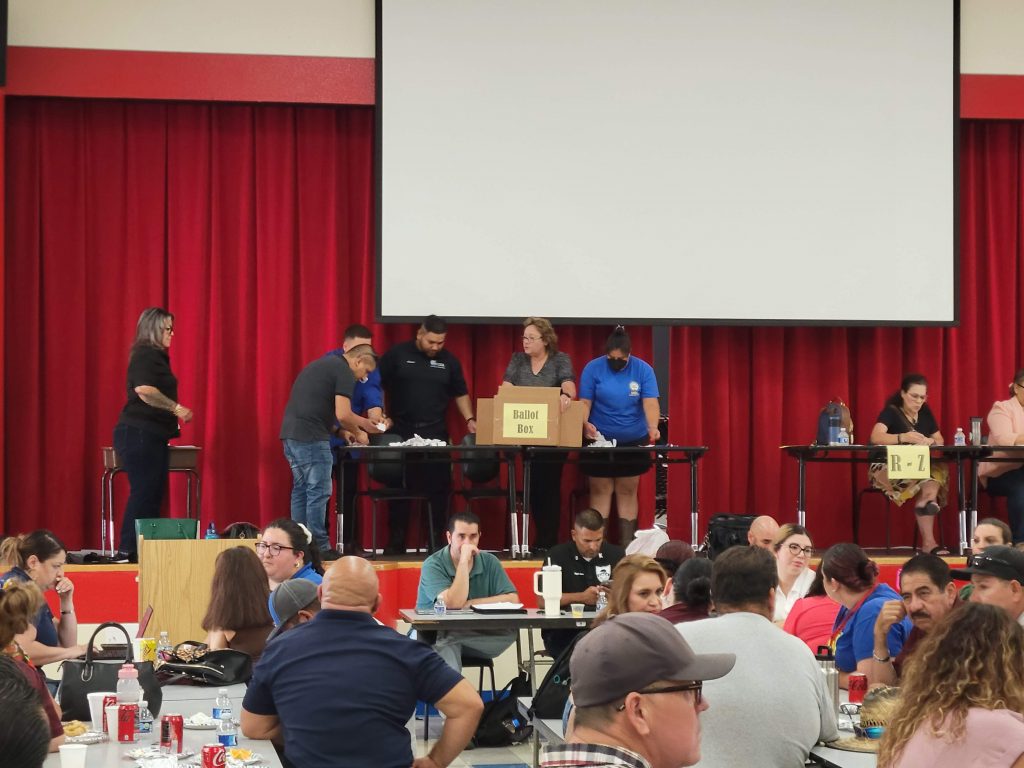
    Thank you to everyone who attended last night’s chapter meeting and participated in the discussion and vote regarding the MOU for the Instructional Aides’ change of work schedule.

    The voting results were as follows:

    • 4 Yes
    • 27 No
    • 2 Abstentions

    Based on the outcome of the vote, the MOU did not pass.

    As a result, the current working schedule for General Education Instructional Aides will remain in place with no changes.

    We appreciate the respectful dialogue and the engagement shown by our members. As always, your participation and input are vital to our decision-making process. 

    In solidarity,

    January 28, 2026


    CHAPTER 399 MEETING

    School Year 2025-2026

    Please join us on Wednesday, January 28, 2025 @ 5:30pm for our chapter meeting. 

    Thank you for your continued engagement and support.

    Meeting Agenda


    1. CALL TO ORDER
    2. PLEDGE OF ALLEGIANCE
    3. READING OF MINUTES: November 19, 2025 & December 16, 2025
    4. COMMUNICATIONS:
    5. HEALTH AND WELFARE REPORTS:
      • 5.1 Congratulations to the parents of the first baby of the year 2026
    6. PRESIDENT/EXECUTIVE BOARD REPORTS:
      • 6.1 Chapter Pre-Retirement Resource Person
      • 6.2 Purchasing Service Credit & Understanding webinar on January 26 from 12:00pm – 1:00pm
      • 6.3 Understanding CalPERS webinar on January 26 from 5:30pm – 7:00pm
      • 6.4 Paraeducator conference
    7. TREASURER’S REPORT:
      • 7.1 Report for the month of December 2025
    8. COMMITTEE REPORT:
      • 8.1 Negotiations Committee – Judy Lopez
      • 8.2 Uniform Committee – Rosa Bermudez
    9. OLD BUSINESS:
      • 9.1 Corrected form for annual budget 2026 approved on Dec. 16, 2025, Chapter meeting
      • 9.2 Raffle winners
    10. NEW BUSINESS
    11. GOOD OF THE ORDER
    12. ADJOURNMENT

    CSEA 399 Meeting Location


    Date: Wednesday, January 28, 2026

    Time: 5:30 pm

    Location: CHS 9th Grade Campus (cafeteria)

    Address: 824 Blair Ave, Calexico, CA 92231

    CSEA 399 Meeting Files


  • Layoff Procedures

    Layoff Procedures

    A layoff is the temporary or permanent termination of employment by an employer for reasons unrelated to the employee’s performance. Losing your job is never welcome news. For most people, it’s a traumatic and frightening experience. Read your Calexico Unified School District CUSD/CSEA employment contract to help you stay informed.

    If you have been laid off, it means that your employer is experiencing financial hardship and is no longer able to pay you a salary. The recent outbreak of COVID-19 is the most recent example that forced businesses to downscale their workforce in order to survive.

    If your layoff is temporary, your employer may require you to return to work after a period of time. If your layoff is temporary, it means your employer may require you to return to work after a period of time. it makes no difference if your layoff is temporary or permanent. You will be unemployed and eligible for unemployment insurance or compensation.

    Reason for Layoff


    Employees may be laid off when companies aim to cut costs, due to a decline in demand for their products or services, seasonal closure, or during an economic downturn. According to the Calexico Unified School District CUSD employment contract. Here are the two main reasons for being laid off:

    • Layoff shall occur only for lack of work or lack of funds.
    • A limited-term employee may be laid off (separated/terminated) at the end of his/her assignment without regard to the procedures set forth in these rules.

    Notice of Layoff


    Upon the decision of the District to reduce the number of unit employees in the classified service of the District, written notice of layoff shall be sent by registered mail or delivered in person to the affected unit employee(s) by the Superintendent or his designee.

    The District shall send written notice of layoff to the affected unit employee(s) not less than sixty (60) calendar days prior to the effective date of layoff, informing the employee(s) of displacement rights, if any, and re-employment rights. Any notice of layoff shall specify the reason for layoff and identify by name and classification the employee(s) designated for layoff.

    When as a result of the expiration of a specially funded program, classification(s) are going to be eliminated at the end of the school year, and unit employee(s) will be subject to layoff for lack of funds, the employee(s) to be laid-off at the end of such year shall be given written notice on or before April 30th. If the termination date of any specially funded program is other than June 30th, such notice shall be given not less than sixty (60) calendar days prior to the effective date of the layoff.

    Nothing herein provided shall preclude a layoff for lack of funds in the event of an actual and existing financial inability to pay salaries of classified employees, no layoff for lack of work resulting from causes not foreseeable or preventable by the Board, without the notice required by subsections 2 and 3 hereof.

    Order of Layoff


    In considering the layoff of emergency, provisional, or limited-term employee(s) shall be laid off from any position while employees serving under restricted, emergency, provisional, or limited-term employment are retained in positions of the same class.

    The order of layoff of unit employees shall be determined by length of service. The employee who has been employed the shortest time in the affected class including time employed in a higher class if applicable shall be laid off first. Bumping rights of unit employee(s) shall apply after the determination of seniority in a class.

    Bargaining unit employees who are subject to layoff shall exercise bumping rights into any classification, within a current or previously held class, providing they meet minimum qualifications and providing that the classification in which they are bumping is equal or lower than the classification in which the employee has served. Reemployment shall be in the reverse order of layoff.

    • The “bumping” employee must have seniority over the last person to be hired in his/her class. The “bumping” employee shall “bump” the least senior employee in his/her class with the most hours. A lack of seniority in his/her present class will permit him/her to “bump” the least senior employee with the most hours in the succeeding lower classes to determine if he/she has more seniority. Failing to have seniority over the last hired in any of the succeeding lower classes in the same series, the “bumping” employee may then look to other classes where he/she has established permanency. Transferring seniority from one class series to another or from one unrelated class to another is not allowed.
    • The “bumping” employee shall consult the Personnel Commission Office (“P.C. Office”) regarding proper procedures and the seniority standing of any employees who may be affected by the bumping procedure. The seniority standing of “bumping” and “bumped” and other employees in the class shall be determined on the seniority lists maintained by the P.C. Office.
    • The P.C. Office shall provide the Superintendent with the name of the employee to be “bumped”.
    • The Superintendent shall send a layoff notice to the “bumped” employee.
    • The employee being “bumped” has the same seniority “bumping” rights and may exercise them in accordance with these rules as though he/she was being laid off.

    In case of two (2) or more unit employees having the same length of service, the order of layoff of such employees shall be determined by lot. The employees affected shall be invited to the drawing and a CSEA and District representative shall be present.

    Any employees going to a lower class pursuant to this rule shall receive the maximum of the salary range of the lower class provided that such salary is not greater than the salary received in the higher position.

    In all cases where an employee elects to exercise his/her seniority rights and move to a lower class in lieu of layoff, his/her name shall be placed on a layoff list for the position from which he/she moved.

    For purposes of this section, for service commencing or continuing after July 1, 1971,
    “length of service” means all hours in a paid status, whether during the school year, a holiday recess, or during any period that a school is in session or closed, but does not include any hours compensated solely on an overtime basis. For employees in the classified service hired prior to July 1, 1971, the date of employment in the regular classified service (regardless of hours worked per day or months per year, a day is a day and a year is a year) shall be used to determine the length of service prior to July 1, 1971. Seniority within a class shall be calculated by time worked within classifications of higher, equal, or lower ranking in which the employee is serving or has served.

    “Hours in Paid Status” shall not be interpreted to mean any service performed prior to entering into probationary or permanent status in the classified service of the District except where the affected unit member was employed as a substitute in the assignment received upon entering into probationary status, and in restricted positions as provided in the Education Code (Section 45105). For purposes of this section, the word “class” shall be defined as a group of positions (classifications) within a job occupational family which have common characteristics and are ranked according to a job family. The word “classification” shall be defined as a position within a class that has a designated title, specific duties, responsibilities, and minimum qualifications, and which has a designated salary range established for each position within a class.

    Demotion or Retirement in Lieu of Layoff


    A unit employee subject to layoff may, in lieu of such layoff, if qualified and subject to the provisions of this section, elect to be demoted to a lower job class, voluntarily reduce their assigned time if this option is made available or retire under the provisions of the California Public Employees Retirement System (PERS). The right to elect demotion shall not apply to restricted classified employees.

    To be considered for demotion in lieu of layoff, which demotion would result in the
    displacement of a unit employee with less length of service subject to the provisions of this Article, the unit employee shall be required to notify the Personnel Office in writing of such election not later than five (5) work days after receiving the notice of layoff.

    A unit employee displaced under Section C of this Article shall be subject to layoff
    according to the provisions of this Article.

    A unit employee who elects demotion or retirement in lieu of layoff shall nonetheless be placed on the thirty-nine (39) month re-employment list and shall be eligible, when a classified vacancy occurs, to return to the former job class in the order of service as any other employee on such list.

    Employee(s) who elect to take demotion shall be extended for an additional twenty-four (24) months provided that the same tests of fitness under which they qualified for appointment to the class shall still apply. (Education Code Section 45298).

    Re-employment Procedures


    A unit employee who is laid off shall be placed on a thirty-nine (39) month re-
    employment list and shall be re-employed in preference to new applicants. The employee shall be required to maintain his/her current address on file with the P.C. Office.

    If, during a unit employee’s eligibility period for re-employment, a classification becomes vacant, the Personnel Commission Director shall send written notice by registered mail or telegram to the last known address of such unit employee(s) offering re-employment in order of service, providing such employee meets the minimum qualifications required of the classification.

    A unit employee who receives such notice of re-employment and refuses to accept in writing the offer of re-employment within ten (10) working days shall be deemed to have rejected the offer of re-employment.

    If the unit employee in a layoff status accepts the classification being offered, the unit employee shall have up to thirty (30) calendar days from the postmark date of the notice to report for work. This does not preclude a unit employee from returning to work in fewer than thirty (30) calendar days.

    A unit employee re-employed after being laid off shall be fully restored to his/her class with all rights to permanent status. Service credit and benefits shall not accrue during the period of layoff.

    Refusal of an offer of provisional or limited-term employment shall not affect the
    standing of any employee on a layoff list.

    Employees on layoff lists shall be eligible to compete in promotional examinations for which they qualify.

    Names shall be certified for appointment from employment lists as follows:

    • Layoff the Re-employment list (one name) until the list is exhausted.
    • Promotional Eligibility List – When a qualified candidate exists within the employee ranks, he/she shall be first interviewed. If no suitable candidate is selected from the promotional list, the process continues with the Open Eligibility List.
    • Open Eligibility List (top three ranks)

    Seniority List


    The list shall consist of permanently classified employees listed in order of seniority (see Order of Layoff), and by class series and classification. The most senior employee is to be listed first.

    In the computation of seniority, all served within a class plus higher classes within the same class series shall count as seniority within the class. Continuous or uninterrupted service as a probationary or permanent employee within a class, rather than actual days worked, shall determine seniority.

    The P.C. Office shall establish and maintain the seniority lists for all class series. These lists are to be updated from year to year to insure their accuracy and availability to the Board.

    At least twenty (20) working days prior to the effective date of a layoff, the District will provide CSEA with a seniority roster.

    Volunteer Aides


    No district may abolish any of its classified positions and utilize volunteer aides, as authorized by Education Code Section 44814, 44815, 35212, and Labor Code Section 3364.5, in lieu of classified employees who are laid off as a result of the abolishment of a position; nor may a district refuses to employ a person in a vacant classified position and use volunteer aides in lieu thereof.

    It is the intent of the Legislature to permit school districts to use volunteer aides to enhance their educational program but not permit displacement of classified employees or to allow districts to utilize volunteers in lieu of normal employee requirements.

    Limited Term Employees


    In the event of a layoff of permanent classified employees, no limited-term employee shall be retained to render service that a laid-off classified employee is qualified to render.

    Employee Severance Provisions


    Bargaining unit employees laid off due to lack of work or funds shall continue to have the District pay for health and welfare benefits for three (3) months following a layoff. Should the employee obtain other employment that offers health and
    welfare benefits during the three-month period, the employee shall advise the District so that the benefits may be terminated.

    In lieu of layoff, the employee may exercise their early retirement benefit rights under Article VI of the collective bargaining agreement.

    In Conclusion


    Being laid off from your job is one of life’s major high-stress events, but there are steps you can take to make the transition a little less rocky. Read your Calexico Unified School District CUSD employment contract to help you stay informed.

    Make sure you have some savings, keep your résumé up to date, and reach out to your contacts. Remember that a layoff is a great excuse to take stock of your life and go after what you’re most passionate about.


    Additional Resources

  • CSEA 399 Chapter Meetings: 2025

    CSEA 399 Chapter Meetings: 2025

    August 12, 2025


    Welcome Back Meeting: School Year 2025-2026

    Please join us on Tuesday, August 12, 2025 @ 2:00pm for our welcome back meeting.  This meeting will be held at Willie Moreno Jr. High (gym).  We hope to see you all there.

    Thank you for your continued engagement and support.

    CSEA 399 Meeting Location

    Date: Tuesday, August 12, 2025

    Time: 2:00 pm

    Location: William Moreno Jr. High, Multi-purpose room

    Address: 1202 Kloke Rd, Calexico, CA 92231

    CSEA 399 Meeting Files

    June 4, 2025


    MEETING RESOLUTION:

    MOU Summer Work 2025 voting results:

    35 = Yes 4 = No

    Summer Work Memorandum of Understanding (MOU) for 2025

    Voting will take place from 5:45 PM to 6:05 PM.

    Your presence is very important, as this vote will impact all members, especially those interested in working during the summer. Please make every effort to attend and cast your vote.

    Night custodians will have release time from 5:15 PM to 6:45 PM to attend this meeting.

    Thank you for your continued engagement and support.

    CSEA 399 Meeting Location

    Date: Wednesday, June 4, 2025

    Time: 5:30 pm

    Location: Family Resource Campus, CAP Center

    Address: 641 Rockwood Avenue, Calexico, CA 92231

    CSEA 399 Meeting Files

    May 21, 2025


    Celebration of Classified School Employees Week

    Enjoy some food and exciting giveaways, and hear from representatives from SISC and Schools First Federal Credit Union. We’ll also share updates from our Chapter Committees, including key news on negotiations, and vote for important issues that affect all members.

    Additionally, we will be recognizing our retirees for their years of dedicated service—please join us in honoring their incredible contributions!

    Let’s come together to stay informed, celebrate our work, and show our appreciation for those who’ve helped shape our community.

    CSEA 399 Meeting Location

    Date: Wednesday, May 21, 2025

    Time: 5:30 pm

    Location: Enrique Camarena Jr. High School

    Address: 800 E Rivera Ave, Calexico, CA 92231

    CSEA 399 Meeting Files

    April 16, 2025


    Approval of 2025-2026 Initial Proposal for Successor Contract (Sunshine)

    Our Chapter has received a waiver to add the following item to the agenda for this Wednesday’s Chapter Meeting:

    • 2025-2026 Initial Proposal for Successor Contract

    The updated agenda and proposal are attached for your review.  This item, along with others on the agenda will require a vote by the membership.  Your participation is important as we make decisions that affect our future.

    CSEA 399 Meeting Location

    Date: Wednesday, April 16, 2025

    Time: 5:30 pm

    Location: Enrique Camarena Jr. High School

    Address: 800 E Rivera Ave, Calexico, CA 92231

    CSEA 399 Meeting Files

  • Classification and Compensation Studies: What CSEA Members Need to Know

    Classification and Compensation Studies: What CSEA Members Need to Know

    Ensuring that every CSEA member understands the inner workings of important processes affecting our jobs and livelihoods. No single process that affects the members of the CSEA 399 community should ever be overlooked. This article has been written to help you understand and by trying to answer the basic questions about the Classification and Compensation Study. So, let’s dive into what this study entails and why it matters to everyone.

    Understanding Classification and Compensation Studies

    At its core, a classification and compensation study is a comprehensive analysis conducted by organizations to evaluate and establish the structure of job classifications and corresponding compensation levels within the workplace. But what does that mean for us as union members?

    Job Classification: Putting Everyone in Their Place

    Imagine our workplace as a puzzle, with each position representing a unique puzzle piece. A classification study helps ensure that each piece fits into the puzzle correctly. It begins by examining all the positions within the organization to determine their duties, responsibilities, required skills, and qualifications. Jobs with similar duties and responsibilities are grouped into job classifications or families.

    Job Evaluation: Assessing the Worth of Each Piece

    Once the jobs are classified, they are evaluated based on various factors such as required education, experience, complexity, decision-making authority, and level of responsibility. This evaluation helps determine the relative worth or value of each job within the organization. Think of it as assigning a point system to each puzzle piece based on its size, shape, and intricacy.

    Compensation Analysis: Ensuring Fairness and Equity

    Now comes the crucial part – compensation analysis. This involves reviewing current salary and benefits data, benchmarking against industry standards, and ensuring internal equity among similar job classifications. The goal is to ensure that everyone is fairly compensated for the value they bring to the organization. No one wants to feel like they’re getting the short end of the stick, and a proper compensation study helps prevent just that.

    Pros and Cons

    Why It Matters to You

    You might be wondering why all of this matters to you as a union member. Well, let me break it down for you with a list of the pros and cons of the Classification and Compensation Studies:

    Pros of Classification and Compensation Studies:

    1. Fair Pay: A classification and compensation study ensures that your pay is fair and reflects your work. It helps prevent disparities in pay based on factors like gender, race, or personal connections.
    2. Transparency: By clearly defining job classifications and responsibilities, these studies can help protect your job from being arbitrarily changed or eliminated.
    3. Career Growth: Understanding how your position is classified and evaluated can provide insight into potential career advancement opportunities within the organization.
    4. Union Advocacy: Armed with the findings of these studies, our union can better advocate for fair wages, benefits, and working conditions on behalf of all members.
    5. Retention and Recruitment: Fair compensation structures make the organization more attractive to both current employees and potential recruits, helping to retain talent and attract new skilled workers.
    6. Legal Compliance: Classification and compensation studies help organizations comply with labor laws and regulations regarding fair pay practices, reducing the risk of legal disputes and penalties.

    Cons of Classification and Compensation Studies:

    1. Time and Resources: Conducting comprehensive studies can be time-consuming and resource-intensive, requiring dedicated staff and financial investment.
    2. Resistance to Change: Employees may resist changes to job classifications or compensation structures, especially if they perceive that it could negatively impact their pay or status within the organization.
    3. Complexity: The process of evaluating job classifications and compensation levels can be complex, requiring specialized knowledge and expertise in human resources and compensation management.
    4. Subjectivity: Despite efforts to create objective evaluation criteria, there may still be subjective elements involved in determining job worth and compensation levels, leading to potential disagreements or perceptions of bias.
    5. Potential for Disruption: Implementing changes based on the findings of classification and compensation studies can disrupt the organization’s operations and may require adjustments to policies, procedures, and employee contracts.

    In Conclusion

    Classification and compensation studies may seem like complex processes, but they’re crucial for ensuring fairness, equity, and transparency in the workplace. Home this article helps to demystify these processes and ensure that every one of you has the information you need to advocate for your rights and interests in the workplace. After all, knowledge is power, and together, we can build a stronger, more equitable workplace for all.

  • CSEA 399 Chapter Meetings: 2024

    CSEA 399 Chapter Meetings: 2024

    March 20, 2024

    CSEA 399 Meeting Location

    Date: Wednesday, March 20, 2024

    Time: 5:30 pm

    Location: Aurora High School, Multipurpose

    Address: 1391 Kloke Ave., Calexico, CA 92231

    CSEA 399 Meeting Files

    January 30, 2024

    CSEA 399 Meeting Location

    Date: Wednesday, January 30, 2024

    Time: 5:30 pm

    Location: Aurora High School, Multipurpose

    Address: 1391 Kloke Ave., Calexico, CA 92231

    CSEA 399 Meeting Files

  • CSEA 399 Chapter Meetings: 2023

    CSEA 399 Chapter Meetings: 2023

    October 19, 2023

    CSEA 399 Meeting Location

    Date: Wednesday, March 20, 2024

    Time: 5:30 pm

    Location: Aurora High School, Multipurpose

    Address: 1391 Kloke Ave., Calexico, CA 92231

    CSEA 399 Meeting Files

    September 21, 2023

    CSEA 399 Meeting Location

    Date: Thursday, September 21, 2023

    Time: 5:30 pm

    Location: Aurora High School, Multipurpose

    Address: 1391 Kloke Ave., Calexico, CA 92231

    CSEA 399 Meeting Files

    August 16, 2023

    CSEA 399 Meeting Location

    Date: Wednesday, August 16, 2023

    Time:  8:00 am – 10:00 am

    Location: William Moreno Jr HS

    Address: 1202 Kloke Rd, Calexico, CA 92231

    CSEA 399 Meeting Primary Topics

    Greetings! Fellow Chapter 399 Members,

    Hope you all had a very restful summer and are ready to commence this year with positivity and enthusiasm.

    It’s with much joy that we present to you our Tentative Agreement to be ratified by us, Chapter 399.

    I would like to thank our negotiators for their dedication and hard work to get this done. Without them, this TA wouldn’t have been possible.

    To all members, be at ease, your negotiators have presented to you the best reasonable Tentative Agreement possible. 

    A meeting is scheduled for Wednesday, August 16, 2023, at Willie Moreno Junior High School, release time from 8:00 am – 10:00 am has been approved.  

    Please take time to review the attached agreement thoroughly before we gather for any questions or concerns you may have.   

    Voting time will be from  8:15 am to 9:45 am

    Hope you all can attend!

    YOUR NEGOTIATORS RECOMMEND A YES VOTE

    Gabriel Herrera.

    President

    CSEA Chapter 399

    CSEA 399 Meeting Files

    June 13, 2023

    CSEA 399 Meeting Location

    Date: Tuesday, June 13, 2023

    Time: 5:30 pm

    Location: Aurora High School, Multipurpose

    Address: 1391 Kloke Ave., Calexico, CA 92231

    CSEA 399 Meeting Files

    May 23, 2023

    CSEA 399 Meeting Location

    Date: Tuesday, May 23, 2023

    Time: 5:30 pm

    Location: Cesar Chavez Elementary Cafeteria

    Address: 1251 E Zapata St., Calexico, CA 92231

    CSEA 399 Meeting Files

    April 18, 2023

    CSEA 399 Meeting Location

    Date: Tuesday, April 18, 2023

    Time: 5:30 pm

    Location: Cesar Chavez Elementary Cafeteria

    Address: 1251 E Zapata St., Calexico, CA 92231

    CSEA 399 Meeting Files

    March 28, 2023

    CSEA 399 Meeting Location

    Date: Thursday, April 18, 2023

    Time: 5:30 pm

    Location: Aurora High School Multipurpose Room

    Address: 1391 Kloke Avenue, Calexico, CA 92231

    CSEA 399 Meeting Files

    March 16, 2023

    CSEA 399 Meeting Location

    Date: Thursday, March 16, 2023

    Time: 5:30 pm

    Location: Cesar Chavez Elementary Cafeteria

    Address: 1251 E Zapata St., Calexico, CA 92231

    CSEA 399 Meeting Files

    February 23, 2023

    CSEA 399 Meeting Location

    Date: Thursday, February 23, 2023

    Time: 5:30 pm

    Location: Cesar Chavez Elementary Cafeteria

    Address: 1251 E Zapata St., Calexico, CA 92231

    CSEA 399 Meeting Files

    January 26, 2023

    CSEA 399 Meeting Location

    Date: Thursday, January 26, 2023

    Time: 5:30 pm

    Location: Aurora High School Multipurpose Room

    Address: 1391 Kloke Avenue, Calexico, CA 92231

    CSEA 399 Meeting Files

  • 2022-23 CSEA Contract Agreement with Calexico Unified School District

    2022-23 CSEA Contract Agreement with Calexico Unified School District

    In an exciting turn of events, the dedicated members of the California School Employees Association (CSEA 399), representing hundreds of hardworking individuals in the Calexico Unified School District, are celebrating a significant victory. After six months of rigorous negotiations with representatives from the Calexico Unified School District, a contract agreement was finally been reached on August 1, 2023, bringing cheer and optimism to CSEA 399 members.

    This remarkable agreement marks the second consecutive year that CSEA 399 members and CUSD have successfully negotiated for salary increases, demonstrating the commitment of both parties to valuing and rewarding the dedicated workforce that keeps the Calexico Unified School District running smoothly. On August 1, 2023 members of CSEA voted in favor of the contract agreement with Calexico Unified School District.

    Voting results

    • Yes – 328
    • No – 18
    • Abstain from voting – 1

    The last step of the deal came on August 24, 2023, when the Calexico School Board of Education voted unanimously with a resounding 5-0 in favor of the negotiated agreement. This decision effectively ratified the CSEA Tentative Agreement, Salary Schedule, and AB 1200 Disclosure of Proposed Collective Bargaining Agreement with the California School Employees Association (CSEA) Chapter 399 for Fiscal Years 2022/2023-2023/2024.

    This achievement not only reflects the unity and resilience of CSEA members but also highlights the proactive approach taken by the Calexico School Board of Education in recognizing the indispensable contributions of their workforce. It’s a win-win situation that not only enhances the livelihoods of these diligent workers but also strengthens the Calexico Unified School District as a whole.

    The commitment to fair compensation and collaborative negotiations displayed by both parties sets a shining example for other school districts and labor unions across California. This positive news underscores the importance of valuing the professionals who play an essential role in shaping the future of our children.

    The agreement will include:

    • 2022-2023: 5% ongoing salary schedule increase, retroactive to July 1, 2022.
    • 2023-2024: 7% ongoing salary schedule increase, retroactive to July 1, 2023.
    • The district will continue to fully fund health and welfare benefits for eligible employees for the 2022-2023 and 2023-2024 school year.
    • Increase incentive from 20% to 25% with two additional one-time bonuses.

    Visit the contract Negotiation page for all negotiation details and timelines.

    As CSEA members celebrate this well-deserved victory, the entire community can look forward to a brighter future for the Calexico Unified School District, where the dedication and hard work of its employees are recognized and rewarded.

  • Classified Salary Schedule

    Classified Salary Schedule

    A classified salary schedule is a structured pay system used by Calexico Unified School District that outlines the salary and compensation levels for employees in classified positions, such as administrative assistants, custodians cafeteria workers, IT employees, or maintenance workers.

    By having a clear and transparent salary schedule, employees in classified positions can understand how their compensation is determined and can negotiate for better pay and benefits.

  • Classified School Employee Week

    Classified School Employee Week

    Celebrate Calexico Unified School District’s CSEW May 21-27, 2023

    Each May, California salutes the important contributions of classified school employees during Classified School Employee Week (CSEW). This year, we are celebrating the theme Classified Professionals: Indispensable, Inspiring & Invincible.

    “Classified School Employee Week is when our colleagues and community honor our hard work and dedication to our students,” said Association President Adam Weinberger. “We are used to working behind the scenes, but this is our time to be celebrated! I hope you and your chapter do something special for CSEW, whether a job-shadow event with administrators or a get-together with your fellow CSEA members.

    Please take the time to express your appreciation for each other and show your school community that classified employees are Indispensable, Inspiring, and Invincible!”

    Classified employees at Calexico Unified School District have earned respect as educators and partners in the education community. More importantly, they have become recognized as the essential frontline workers who keep our schools up and running while making a difference in the lives of the students they serve. Let’s celebrate our Classified staff at Calexico Unified School District.

    CUSD Classified School Employees

    • Custodial and maintenance staff keep our campuses clean and safe.
    • Bus drivers and transportation staff get students to school safely.
    • Office staff meets the needs of students, parents, and administrators.
    • Food service workers keep students fed and ready to learn.
    • The technology department staff keeps everyone connected and online.
    • Paraeducators support students and help them overcome new challenges.
    • School safety officers keep our school grounds safe and secure.