Date: 02/09/2023
Time: 05:00 PM
Location: District Administrative Board Room
Address: 901 Andrade Ave., Calexico, CA 92231
- CUSD Regular Board Meeting – February 9, 2023- Part 2
- CUSD Regular Board Meeting – February 9, 2023- Part 3


Date: 02/09/2023
Time: 05:00 PM
Location: District Administrative Board Room
Address: 901 Andrade Ave., Calexico, CA 92231

Are you interested in earning an additional 5% on your monthly paycheck? Are you planning to go back to school? All employees at Calexico Unified School District can apply for additional compensation.
This additional compensation is an award earned by a classified employee who successfully completes ten (10) semester units or the equivalent in academic courses. Course obtained must pertain to the employee’s specific classification or area of employment.
The Professional Growth Committee consists of:
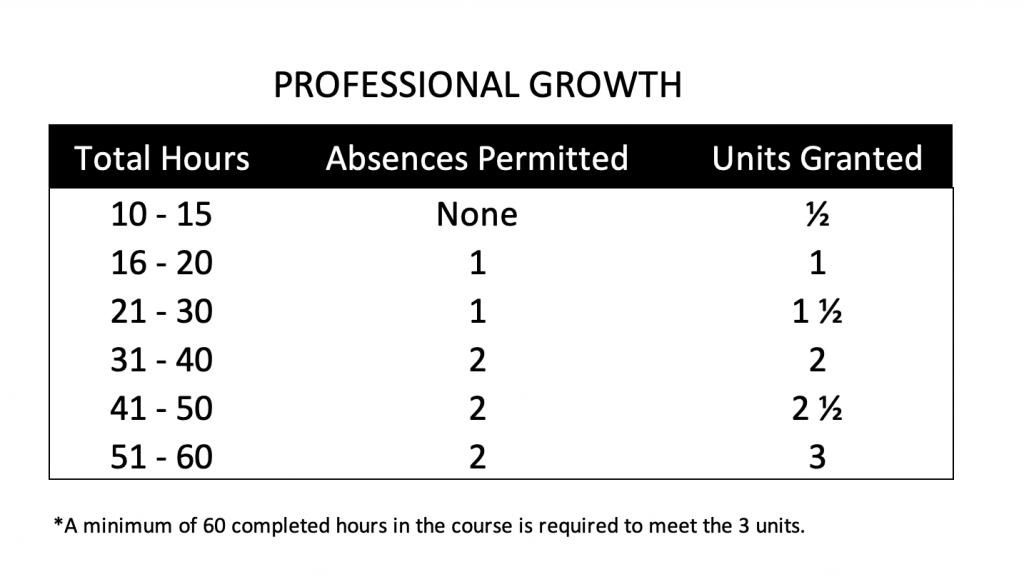
Click on the links below to obtain more information about the CUSD Professional Growth program and how to submit your application.

In the first newsletter of this New Year. We would like to welcome our new e-board members:

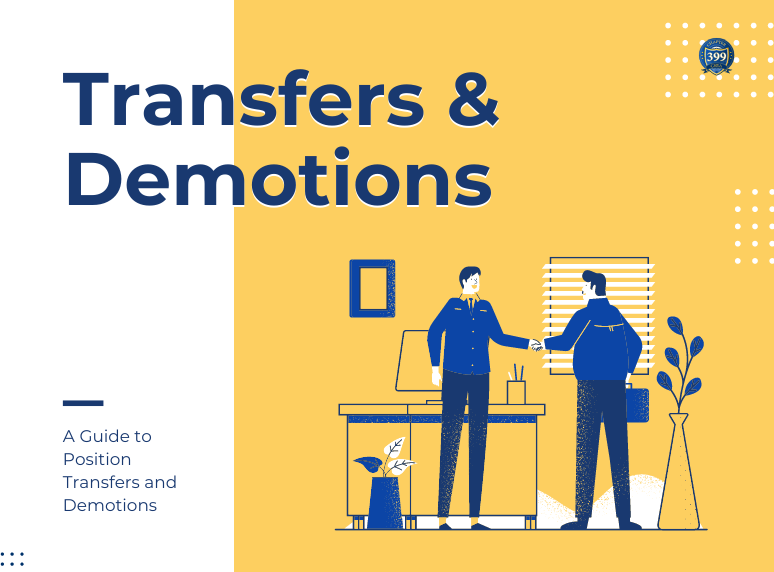
Labor contracts play a crucial role in protecting the rights and ensuring the fair treatment of employees in the workplace. Within your contract at Calexico Unified School District, provisions related to changes in position and class are essential for employees and employers to understand.
In this blog post, we will explore the key points of such provisions, clarifying their significance and implications. By the end, you will better grasp the rules governing transfers and demotions outlined in labor contracts.
Transfers allow employees to move from one position to another within the same class, either at their request or for the good of the service. It’s important to note that transfers cannot be made for punitive or preferential reasons. The immediate supervisor holds the discretion to approve transfers, ensuring a fair and objective decision-making process.
Here are some of the rules included in the CUSD Contract:
Demotions refer to the voluntary or involuntary downward movement of an employee to a lower-class position. While involuntary demotions are not covered in this provision, it’s worth noting that voluntary demotions have certain conditions attached.
Understanding the provisions related to changes in position and class outlined in labor contracts is crucial for employees and employers alike. By knowing the rules and implications surrounding transfers and demotions, individuals can navigate their career paths and exercise their rights effectively within the organization.
This blog post has aimed to shed light on the critical aspects of these provisions, empowering readers with the knowledge to better comprehend and make informed decisions based on their labor contracts.

Unions have been a prominent feature in the American labor market for many decades. Unions are organizations that represent the collective interests of employees in a specific industry or profession. They negotiate with employers to ensure that employees receive fair wages, benefits, and working conditions. One of the key components of union membership is the payment of union dues.
If you’re thinking about joining a union, or if you’re already a member. You may already hear the term “union dues”. But what are union dues, exactly, and why do they matter? In this article, we’ll explore what union dues are, how they’re calculated, and why they’re important for both unions and their members.
Union dues are fees paid by union members to support the activities and goals of their union. These fees can vary depending on the union and the industry, but they generally cover the costs of union administration, collective bargaining, and other union-related activities. Union dues can also fund political campaigns or other advocacy work related to workers’ rights and social justice issues.
The funds collected from union dues at Calexico Unified School District are used to support the union’s various activities, including:
The way union dues are calculated can vary depending on the union’s rules and bylaws. Some unions charge a flat rate per member, while others calculate dues as a percentage of a member’s wages or salary. In some cases, unions may also charge initiation fees or assessments for special projects or campaigns.
Union dues are critical to the continued success of labor unions. Here are some of the reasons why they matter:
One of the most important roles of unions is collective bargaining. This process involves negotiating with employers on behalf of union members to secure better wages, benefits, and working conditions. Union dues provide the funding necessary to support this bargaining process. Without this money, unions would not have the resources needed to effectively negotiate with employers, and the bargaining process would suffer.
Unions play a vital role in protecting the rights of employees in the workplace. They represent members in grievances and disciplinary proceedings and advocate for fair treatment and due process. Union dues fund the resources necessary to provide these services to members. Without funds, unions would not be able to provide the necessary legal and financial support to their members.
Many unions provide education and training programs to their members. These programs help members improve their skills and knowledge in their respective fields, making them more valuable employees. Union dues fund these programs, which can help members advance in their careers and earn higher wages.
Unions advocate for policies that benefit working people, such as better wages, workplace safety regulations, and healthcare access. Union dues fund the resources necessary to support these advocacy efforts, including lobbying, political campaigning, and grassroots organizing.
Some people argue that mandatory union dues are unfair because they force workers to support an organization they may not agree with or want to be a part of. These individuals may feel that they should be able to negotiate their own wages and benefits without the involvement of a union.
The right-to-work movement is a political and ideological movement that seeks to limit the power of unions by making it illegal for unions to require workers to pay dues as a condition of employment. Right-to-work laws have been passed in several states in the US, and they are often supported by conservative politicians and business interests.
In 2018, the US Supreme Court ruled in Janus v. AFSCME that mandatory union dues for public sector employees were unconstitutional. This decision has been controversial, with some arguing that it weakens the power of unions and undermines workers’ rights to collective bargaining.
https://www.epi.org/publication/right-to-work-states-have-lower-wages/
- Critics against the right-to-work movement argue that right-to-work laws weaken union power and benefit corporations by limiting the labor union budget.
- Research at the Economic Policy Institute shows that states with RTW laws see higher employment but lower wages for workers.
- The biggest difference between workers in RTW and non-RTW states is the fact that workers in non-RTW states are more than twice as likely (2.4 times) to be in a union or protected by a union contract.
- Average hourly wages, the primary variable of interest, are 15.8 percent higher in non-RTW states ($23.93 in non-RTW states versus $20.66 in RTW states). Median wages are 16.6 percent higher in non-RTW states ($18.40 vs. $15.79).
In summary, union dues are the fees paid by members of a union to support the organization’s activities and initiatives. These fees are used to fund collective bargaining efforts, improve working conditions, provide training and development opportunities, and support strike funds, among other things. While there is some controversy surrounding mandatory union dues, many workers benefit from the collective bargaining power of unions and the improved wages, benefits, and working conditions that they can secure.
If you’re considering joining a union, it’s important to understand the role that union dues play and the benefits that they provide to both the union and its members.
*Thank you for reading! If you have any questions or comments about union dues or anything else related to unions, please feel free to leave them in the comments section below.

A labor union contract is also known as collective bargaining agreement. A bilateral agreement that establishes the terms and conditions of employment for union members. Contract language can vary significantly across industries and workforces but we can still expect to see some common issues addressed in collective bargaining.
This is one of the most important benefits of coming together with your colleagues to form a union is gaining the clarity and security of a union contract. In this article, we will explore many of the most important segments of labor union contracts, including their components, the collective bargaining process, and the importance of good-faith negotiations.
The term “collective bargaining” refers to the negotiation of employment terms between an employer and a group of workers. Labor union contracts are the outcome of this negotiation process, which involves two committees representing the union members and management.
Union members are normally represented by their labor union during collective bargaining. The union’s bargaining team is usually selected through a process outlined in the union’s constitution and by-laws, while the employer designates the management team.
In union employee contract negotiations, the parties involved typically include representatives from the labor union, such as the union’s local president, employees within different departments, and/or union steward. On the other side, the employer’s negotiating team may consist of leaders from the human resources department, the company’s president, and a lawyer knowledgeable in labor and employment law.
Labor union contracts include various components that outline agreements on wages, benefits, working schedules, seniority-based bidding for shifts, holiday schedules, and grievance procedures. Early in negotiations, the parties focus on two critical clauses: management’s rights and the deduction of union dues from employees’ paychecks.
Labor union contracts include several key components that outline the rights, obligations, and terms of employment for union members. These components include:
These components serve as the foundation for the working relationship between the labor union and the employer, ensuring clarity and fairness in the terms and conditions of employment.
When the union and the employer reach a tentative agreement, they create a memorandum of understanding (MOU). This document contains all the elements of the final contract but requires ratification by the union members. After reviewing the MOU, the parties reconvene to address outstanding matters and negotiate final details. Upon reaching a final agreement, the labor union seeks ratification through voting among its members.
The tentative agreement and ratification process ensures that the labor union members have the opportunity to review and approve the negotiated terms before they become legally binding, ensuring democratic decision-making within the union.
The National Labor Relations Act mandates good-faith efforts from both the union and the employer during the bargaining process. Good faith bargaining entails scheduling convenient sessions, preparedness for negotiations, and refraining from intimidating behaviors. Actions such as stonewalling and unreasonable demands are considered bad faith and violate the act. The National Labor Relations Board intervenes when either party fails to bargain in good faith.
The importance of the good faith bargaining during the collective bargaining process is an essential part of the negotiation between labor unions and employers. Here are the key reasons why:
Good faith bargaining is essential for promoting fairness, trust, collaboration, efficiency, and legal compliance in labor union contract negotiations. It sets the foundation for constructive and successful labor-management relationships, benefiting both union members and employers alike.
Labor union contracts play a vital role in establishing the rights and responsibilities of both union members and employers. Through collective bargaining and good faith negotiations, these contracts ensure fair working conditions and address grievances.
Understanding the components and processes involved in labor union contracts is crucial for both parties involved in the employment relationship.

Meet CSEA CHAPTER 399 Union Representatives to stay informed and get the most out of your union membership. Union Leaders and Site Representatives can answer questions and provide advice on how to make the most of your employment and union rights.

Chapter President
First Vice President
Second Vice President
Chapter Treasurer
Communications Officer
Secretary
Every school in the Calexico School District has a field representative also known as Union Stewards to back you up and help you stay union strong.
| Carmela Perez | Chief Steward, Steward |
| Alejandro Huezo | Steward |
| Alejo Cortez | Steward |
| Corina Garcia | Steward |
| Elizabeth Esqueda | Steward |
| Emilio Pinon | Steward |
| Esperanza Amial Munguia | Steward |
| Graciela Aldana-Batani | Steward |
| Jesus Bravo | Steward |
| Judith Lopez | Steward |
| Krystle Casares | Steward |
| Maria Bravo | Steward |
| Maria Del Carmen Arreguin Quijada | Steward |
| Maria Lim | Steward |
| Priscilla Beltran | Steward |
| Troy Johnson | Area K Director Board of Directors |
| Susan Zarate-Sandoval | Regional Representative Region 53 |
| Gary Snyder | Field Director San Diego Field Office |
| Rene Pollard | Labor Relations Representative San Diego Field Office |
The CSEA job steward is a vital representational link between bargaining unit employees, their union, and site-level management. If you are interested in becoming a CSEA Union Steward ask your Union representatives for more information.
Date: 01/19/2023
Time: 05:00 PM
Location: District Administrative Board Room
Address: 901 Andrade Ave., Calexico, CA 92231
One of the most useful tools a contract provides you with is the grievance procedure. Often employees think filing a grievance will label them as a “troublemaker,” but really the grievance process is just that—a process, which we use to resolve violations of our rights in a professional, orderly manner.
A “Grievance” is a formal written allegation by a grievant that he/she has been adversely affected by a misinterpretation, misapplication, or alleged violation of a specific provision of the collective bargaining agreement or incorporated Board policies. A “Grievant” may be CSEA or any member(s) of the bargaining unit. Unless specifically mentioned otherwise, a “Day” is any day on which the central administrative office of the District is open for business and the unit member(s) is (are) scheduled to work.
The “Immediate Supervisor” is the lowest level management member having a line supervisory authority over the grievant who has been designated to adjust grievances. The “Second Level Supervisor” is the supervisor of the management member defined above as an “Immediate Supervisor”.
The CSEA contracts contain a two-step grievance process. Remember, to consult your contract to understand the grievance process and timelines.
Before filing a formal written grievance, (Appendix B) the grievant shall attempt
to resolve the problem by scheduling an informal conference with his/her immediate supervisor. The grievant may be accompanied by his/her Association Representative at the informal conference with the immediate supervisor.
The problem shall be discussed orally, including the nature of the problem, the person or persons involved, and the remedy sought. The immediate supervisor shall respond to the complaint within three (3) days. If the grievant is not satisfied with the proposed resolution or if the immediate supervisor has not responded within three (3) days of the formal conference, the grievant may proceed to Step One of the Formal Grievance Process.
Step One:
Step Two:
Step Three:
Step Four:
Step Five: Binding Arbitration
The immediate supervisor, second-level supervisor, and/or District Superintendent, or his/her designee, may schedule such meetings with the grievant as deemed appropriate to discuss the grievance and attempt resolution at Steps One, Two, and Three. The grievant shall be present at all grievance meetings. The absence of the grievant at a meeting shall constitute a waiver of the grievant’s right to further processing of the grievance. In instances of emergency or illness, the grievant shall have the right to have the meeting rescheduled.
The grievant is entitled to association representation at all steps of the grievance procedure specifically at every meeting between the grievant and a district administrator. Should the grievant elect not to be represented by the Association, the District shall notify the Association of any settlement reached. The settlement shall not violate the terms and conditions of the collective bargaining agreement.
As you can see, the grievance procedure is there for us—but only if we use it. This article is just to show you an overview of the rights and tools that we as CSEA employees can utilize to fight for your rights. Take a moment to review the grievance procedure in your contract.